Wild capture fisheries supply food and jobs for hundreds of millions of people across the globe. Yet an estimated 68% of global fisheries are overfished, contributing to food insecurity, economic impacts, and an erosion of biodiversity. Ocean health and sustainable fisheries both depend on effective fisheries management.
Effective management of fisheries requires three fundamental elements: data collection, stock assessment and implementation of effective rules and regulations. Innovative approaches and technological solutions such as data-limited assessments, electronic monitoring, and co-management can address these needs, but have yet to be scaled broadly.
California fisheries supply more than 250 species of local seafood. The Conservancy aims to ensure these fisheries are managed sustainably with cutting edge approaches and technology that improve the environmental and economic performance of fisheries, protect habitats and vulnerable species, reduce bycatch, and serve as a model for global fisheries management reform.
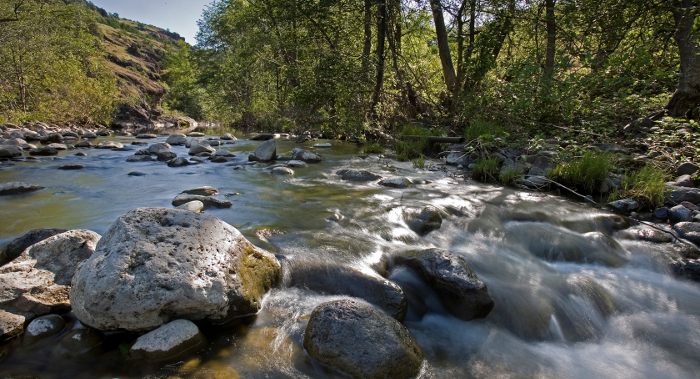
Freshwater Systems
California is one of the most hydrologically altered landscapes in the world. As water becomes…>>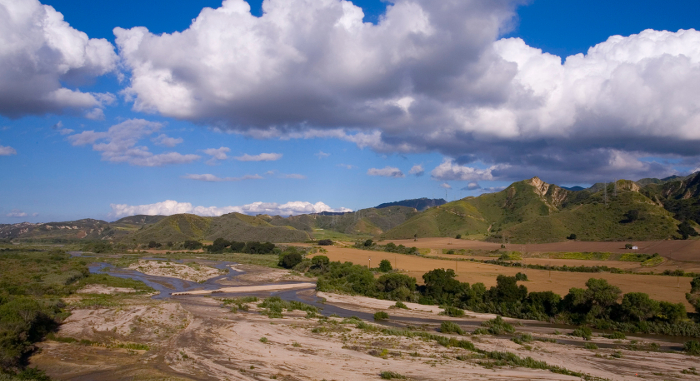
Groundwater
In a normal year, groundwater accounts for 40 percent of California’s water supply. That…>>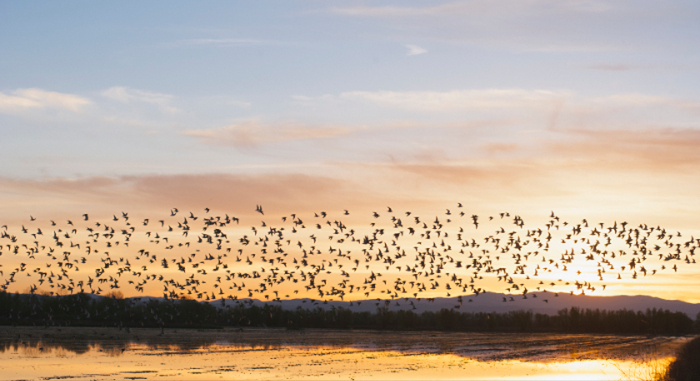
Surface Flows
Californians have fundamentally altered many of the state’s rivers and streams with dams,…>>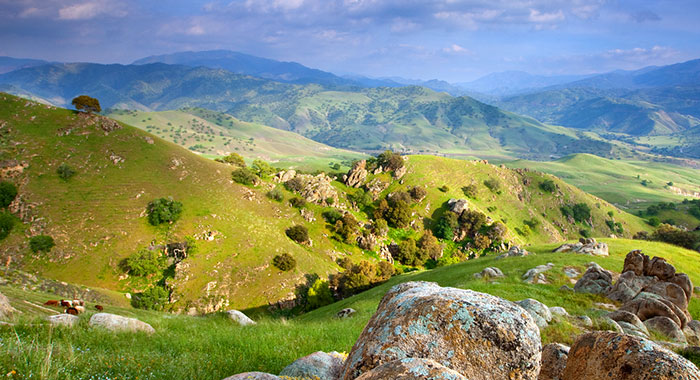
Terrestrial Systems
In California, a day’s drive can take a visitor from record-setting desert heat to glaciated…>>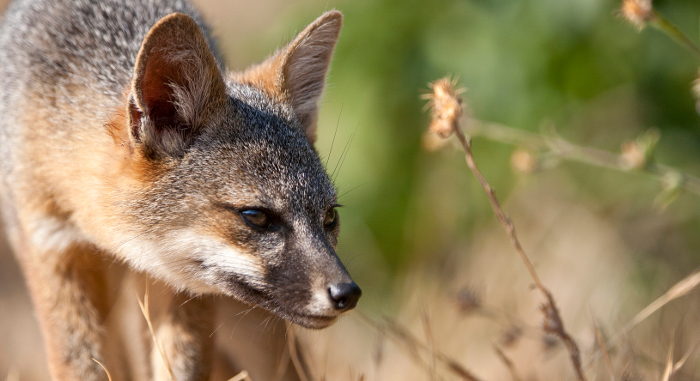
Wildlands
Nearly half of California is protected in some land status that prevents most kinds of intensive…>>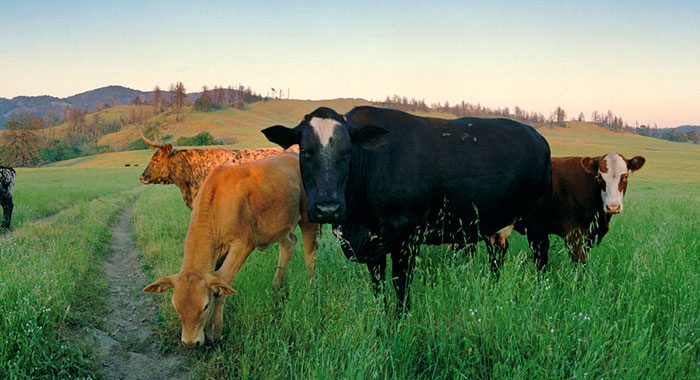
Harvested Landscapes
A third of California is privately-owned forestland, woodland or grassland. From redwood forests on…>>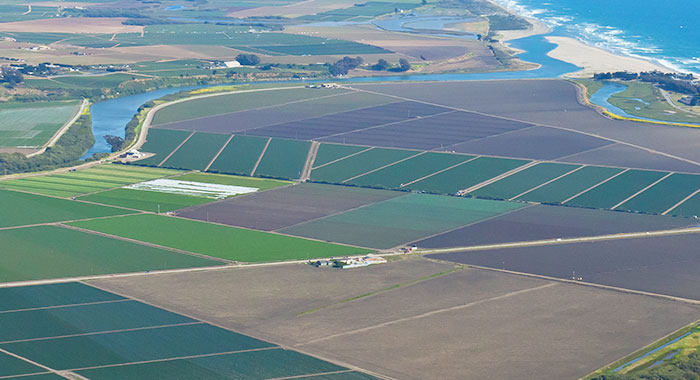
Cultivated Landscapes
California is the leading agricultural state in the country and it’s agriculture generates…>>
Urban Areas and Infrastructure
With California’s population on track to reach 50 million people, the demand for energy,…>>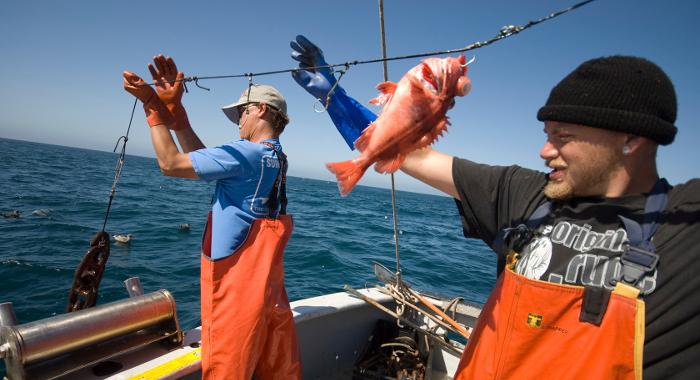
Fisheries
Wild capture fisheries supply food and jobs for hundreds of millions of people across the globe. Yet…>>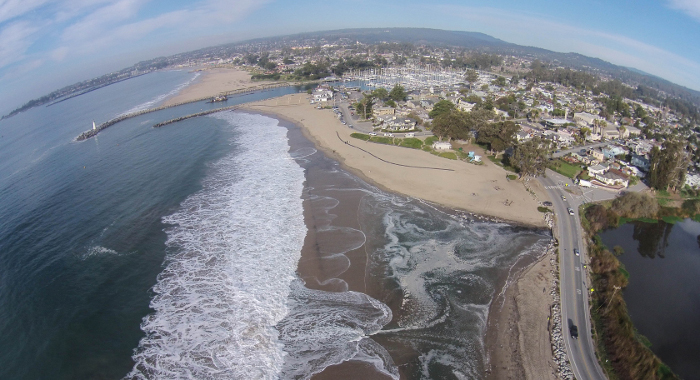
Coastal Conservation
Almost half of the world’s human population lives in coastal areas, and associated coastal…>>Science in Action
Terrestrial | Planning | Technology
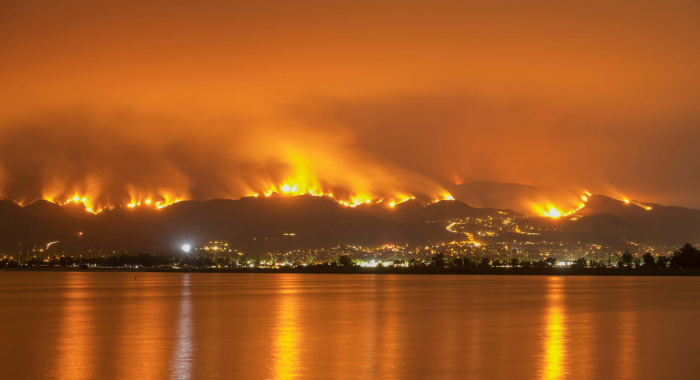
Wildfire and Communities
How can land protection and restoration help protect communities from wildfire?

Terrestrial | Marine | Science
TNC and FEMA
How do we increase climate resilience in ways that work for people and nature?
Products
2017 | Terrestrial | Planning | Publications & Reports
Quantifying Trade-Offs Among Ecosystem Services, Biodiversity, and Agricultural Returns in an Agriculturally Dominated Landscape Under Future Land‑Management Scenarios
Emma C. Underwood, Rachel A. Hutchinson, Joshua H. Viers, T. Rodd Kelsey, Trisha Distler, Jaymee Marty
This paper discusses and provides modeled estimates of the biodiversity and ecosystem service outcomes of three different future land use scenarios, compared to current land uses, in a cultivated…
2017 | Terrestrial | Science | Publications & Reports
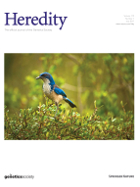
Partial support for the central–marginal hypothesis within a population: reduced genetic diversity but not increased differentiation at the range edge of an island endemic bird
K.M. Langin, T.S. Sillett, W.C. Funk, S.A. Morrison, C.K. Ghalambor
Genetic diversity is an important target in biodiversity conservation. Understanding how it tends to be distributed across ranges of species can improve conservation planning. This paper examines…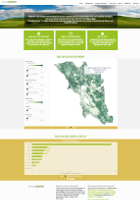
2017 | Terrestrial | Planning | Microsite
The Bay Area Greenprint
Carrie Schloss, Elizabeth O'Donoghue, Christa Cassidy, Tom Robinson, Serena Unger, Adam Garcia, Dan Rademacher
The Bay Area Greenprint tool provides land use and infrastructure agencies, consultants, and advocates easily accessible, interpretable, and scientifically robust information on habitat and ecosystem…
2017 | Terrestrial | Planning | Publications & Reports
Solar Energy Development and Regional Conservation Planning
D.R. Cameron, L. Crane, S.S. Parker, J.M. Randall
This book chapter discusses how California's greenhouse gas emission reduction goals spurred solar development in the Mojave Desert—development that could have negative impacts if poorly…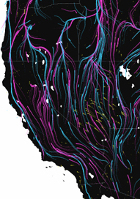
2017 | Freshwater | Terrestrial | Marine | Science | Publications & Reports
Managing consequences of climate-driven species redistribution requires integration of ecology, conservation and social science
Timothy C. Bonebrake, Christopher J. Brown, Johann D. Bell, Julia L. Blanchard, Alienor Chauvenet, Curtis Champion, I-Ching Chen, Timothy D. Clark, Robert K. Colwell, Finn Danielsen, Anthony I. Dell, Jennifer M. Donelson, Birgitta Eveng°ard, Simon Ferrier, Stewart Frusher, Raquel A. Garcia, Roger B. Griffis, Alistair J. Hobday, Marta A. Jarzyna, Emma Lee, Jonathan Lenoir, Hlif Linnetved, Victoria Y. Martin, Phillipa C. McCormack, Jan McDonald, Eve McDonald-Madden, Nicola Mitchell, Tero Mustonen, John M. Pandolfi, Nathalie Pettorelli, Hugh Possingham, Peter Pulsifer, Mark Reynolds , Brett R. Scheffers, Cascade J. B. Sorte, Jan M. Strugnell, Mao-Ning Tuanmu, Samantha Twiname, Adriana Verg´es, Cecilia Villanueva, Erik Wapstra, Thomas Wernberg , Gretta T. Pecl
Climate change is driving the largest global redistribution of the planet’s species since the ice age. Species redistributions present challenges for human well-being, environmental management…
2017 | Freshwater | Planning | Science | Publications & Reports
A Global Synthesis of Managing Groundwater Dependent Ecosystems Under Sustainable Groundwater Policy
Melissa M. Rohde, Ray Froend, Jeanette Howard
Groundwater is a vital water supply worldwide for people and nature. However, species and ecosystems that depend on groundwater for some or all of their water needs, known as groundwater dependent…
2017 | Terrestrial | Science | Publications & Reports
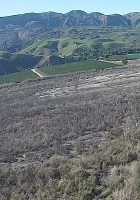
Persistence of historical population structure in an endangered species despite near-complete biome conversion in California’s San Joaquin Desert
Jonathan Q. Richmond, Dustin A. Wood, Michael F. Westphal, Amy G. Vandergast, Adam D. Leache, Lawrence R. Saslaw, H. Scott Butterfield, Robert N. Fisher
This paper uses novel genetic approaches to document how land conversion in the San Joaquin Desert has affected population connectivity and relatedness in the endangered blunt-nosed leopard lizard.…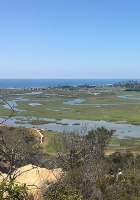
2017 | Terrestrial | Science | Publications & Reports
Bill morphology and neutral genetic structure both predict variation in acoustic signals within a bird population
Kathryn M. Langin, T. Scott Sillett, Scott A. Morrison, Cameron K. Ghalambor
Island Scrub-Jays, a species restricted to 250 km2 Santa Cruz Island, CA, have different bill forms depending on whether they occupy oak or pine dominated habitat, a pattern that may be associated…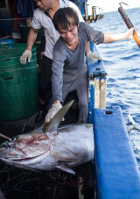
2017 | Marine | Technology | Video
Big Data and the Deep Blue Sea
The Nature Conservancy, Matt Merrifield
Nearly half of the world depends on seafood for their main source of protein. In the Western and Central Pacific, where 60% of the world’s tuna is caught, illegal, unreported, and unregulated…

2017 | Freshwater | Terrestrial | Publications & Reports
Market-Based Mechanisms For Securing Environmental Water In California
California’s water supply is becoming increasingly unreliable. During dry times, consumptive use often outstrips supplies. As a result, people and nature suffer. This imbalance of supply and…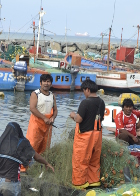
2017 | Freshwater | Terrestrial | Planning | Science | Publications & Reports
Population and habitat objectives for avian conservation in California’s Central Valley riparian ecosystems
Kristen E. Dybala, Neil Clipperton, Thomas Gardali, Gregory H. Golet, Rodd Kelsey, Stefan Lorenzato, Ron Melcer, Jr., Nathaniel E. Seavy, Joseph G. Silveira
The Conservancy and partners are working to establish riparian ecosystems that provide sufficient habitat to support genetically robust, self-sustaining, and resilient bird populations in…
2017 | Terrestrial | Planning | Science | Publications & Reports
A General Framework for Setting Quantitative Population Objectives for Wildlife Conservation
Kristen E. Dybala, Neil Clipperton, Thomas Gardali, Gregory H. Golet, Rodd Kelsey, Stefan Lorenzato, Ronald Melcer, Jr., Nathaniel Seavy, Joseph G. Silveira, Gregory S. Yarris
Quantitative population objectives are necessary to achieve conservation goals of secure or robust wildlife populations, however, existing methods for setting them often require extensive…