The California Current is one of only four temperate upwelling systems in the world. Seasonal upwelling of nutrient-rich waters fuels a highly productive ecosystem, supporting biodiversity and fisheries that, along with coastal tourism, are a foundation of California’s economy.
Yet California’s coasts and oceans are also under increasing threat. Relatively few fisheries are managed based on robust scientific assessments, and more needs to be done to avoid overfishing and reduce bycatch. Plastics and other pollutants are pervasive. Climate change compounds these challenges. Ocean chemistry is changing. Sea levels and temperatures are rising – threatening important resources, biodiversity, and human populations.
Fortunately, the coastal and ocean ecosystems of California are bolstered by a network of marine protected areas and some of the most science-based marine policies in the world. Conservancy scientists look to build on those foundations by applying science and technology to enhance resilience of marine resources in the face of emerging threats.
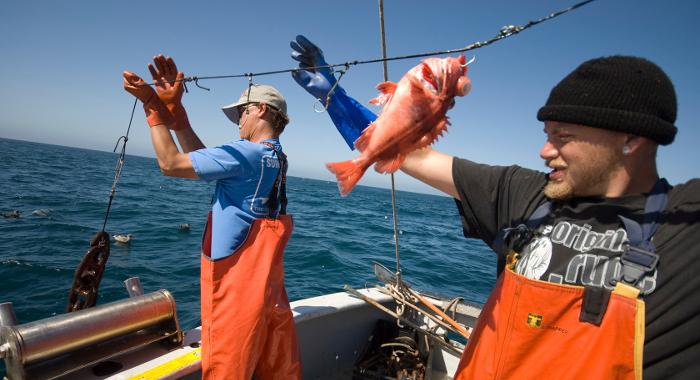
Fisheries
Wild capture fisheries supply food and jobs for hundreds of millions of people across the globe. Yet…>>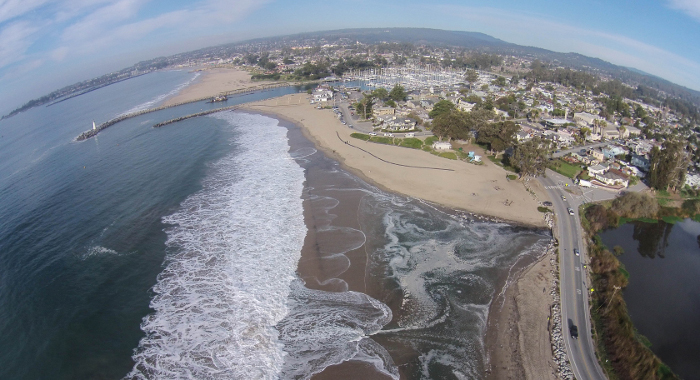
Coastal Conservation
Almost half of the world’s human population lives in coastal areas, and associated coastal…>>Science in Action
Terrestrial | Marine | Science
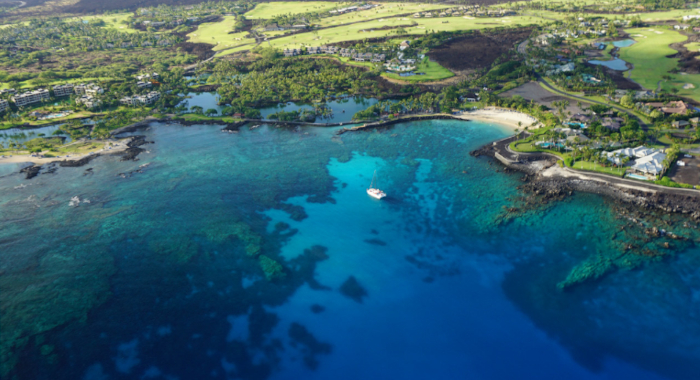
TNC and FEMA
How do we increase climate resilience in ways that work for people and nature?
Terrestrial | Marine | Planning
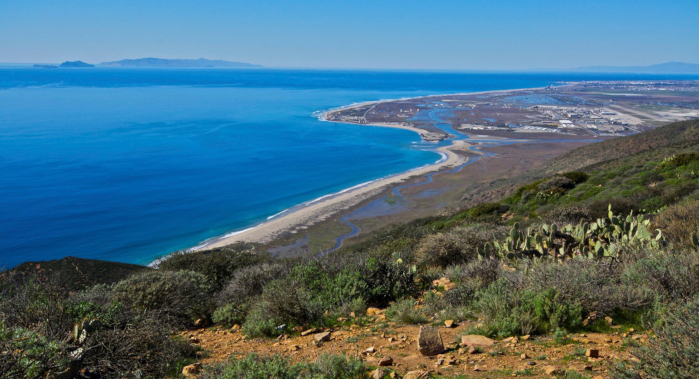
TNC and the U.S. Navy
How can we protect natural resource and coastal military assets from sea level rise?
Products
2009 | Marine | Publications & Reports
Are we missing the boat? Collaborative solutions for North American fish wars
Mary Gleason, Chuck Cook, Michael Bell, Erika Feller
This editorial highlights the polarization and lack of innovation in U.S. fisheries management, using the West Coast groundfish fishery as an example. The authores focus on the need for new…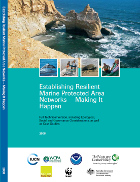
2008 | Marine | Planning | Science | Publications & Reports
Establishing Resilient Marine Protected Area Networks–Making it Happen
Dan Laffoley, Alan T. White, Stacey Kilarski, Mary Gleason, Scott Smith, Ghislaine Llewellyn , Jon Day , Annie Hillary, Victoria Wedell, Daphine Pee
With government, agency and organizational partners, Conservancy scientists helped publish an IUCN guidebook to inspire conservation investment in global marine protection and provide a case study…
2006 | Freshwater | Terrestrial | Marine | Publications & Reports
Designing and establishing conservation areas in the Baja California-Southern California border region
M.D. White , J.A. Stallcup, K. Comer, M.A. Vargas, J.M. Beltran Abaunza, F. Ochoa, S.A. Morrison
The California South Coast Ecoregion, a global biodiversity hotspot, is bisected by the US-Mexico border. Development near the border, ranging from urban sprawl to border security infrastructure,…
2006 | Freshwater | Terrestrial | Marine | Planning | Science | Publications & Reports
Where to draw the line: integrating feasibility into connectivity planning
Protecting, restoring, and enhancing habitat connectivity in already fragmented landscapes poses many challenges for conservationists. This essay discusses the importance of considering implementation…
2006 | Marine | Planning | Publications & Reports
Assessing gaps in marine conservation in California
Mary G. Gleason, Matt S. Merrifield, Chuck Cook, Audrey L. Davenport, Rebecca Shaw
This study is the first marine gap analysis for California. It quantifies what is protected and what is not and highlights conservation needs and opportunities. Less than 5% of marine habitats are…
2006 | Marine | Planning | Publications & Reports
Northern California Marine Ecoregional Assessment
Mary Gleason, Matt Merrifield, Chuck Cook, Miguel Hall
The Conservancy's science and planning staff in California prepared this assessment of the most important areas for conservation of marine biodiversity in the Northern California…
2004 | Marine | Planning | Publications & Reports
Southern California Marine Ecoregional Assessment
Mary Gleason, Matt Merrifield, Craig Mayer, Michelle McCutchan, Chuck Cook
The Conservancy's science and planning staff in California prepared this assessment of the most important areas for conservation of marine biodiversity in the Southern California Marine…