A third of California is privately-owned forestland, woodland or grassland. From redwood forests on the north coast to oak savannas in the foothills, these “working wildlands” harbor native plants and animals and natural resources that shape California’s cultural and economic identity. The agricultural goods produced in these landscapes feed into a global market – from beef and dairy to building materials. Rangelands also help recharge groundwater. Healthy forests enhance water quality.
Harvest practices that are unsustainable, however, or conversion of these landscapes to more intensive land uses, can degrade habitats and reduce the flow of important benefits to people.
Working wildlands are what keep California stitched together ecologically. Their continued economic viability is key to the persistence of the ecological benefits they provide. Conservancy scientists work to figure out how to protect and enhance the function of these landscapes – as a critical network for nature.
Science in Action
Terrestrial | Technology
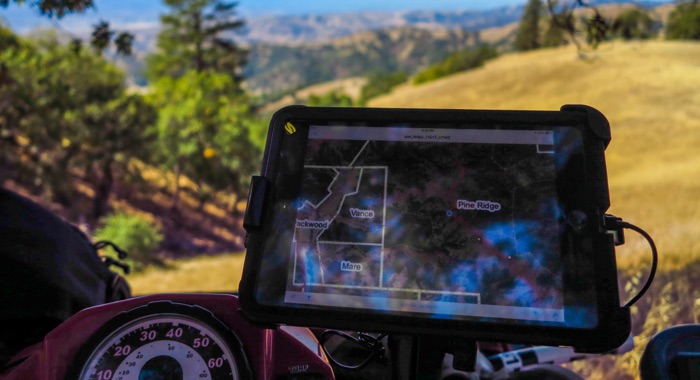
Monitoring Rangelands from Above
Can satellite monitoring replace in-person monitoring of conservation lands?
Freshwater | Terrestrial | Science
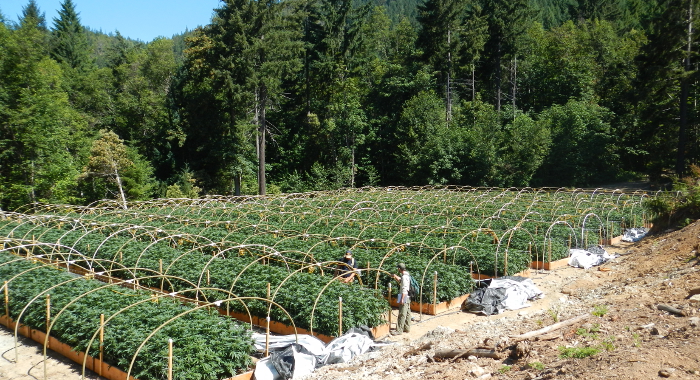
High Time for Conservation
How can science help us understand – and address – the environmental impacts of cannabis cultivation?
2016 | Terrestrial | Science | Publications & Reports
Oren Pollak Memorial Research Fund - 2016 Annual Report
The Oren Pollak Memorial Research Fund provides student researchers with the funds necessary to pursue their studies and complete important research in grassland science. The Fund was…
2016 | Terrestrial | Science | Publications & Reports
Historic and Recent Winter Sandhill Crane Distribution in California
Gary L. Ivey, Caroline P. Herziger, David A. Hardt, Gregory H. Golet
Understanding the geographic distribution and long-term dynamics of Sandhill Crane (Grus canadensis) foraging areas and night roost sites is fundamental to their conservation and management. The…
2015 | Terrestrial | Publications & Reports
Carbon Implications of Fuel Reduction and Ecological Restoration Treatments in Sierra Nevada Forests
Derek Young
A century of fire suppression has dramatically altered the structure and composition of western U.S. forests. When dense, fire-suppressed forests experience wildfire, they often burn severely. To…
2014 | Terrestrial | Planning | Blogs
New Study: Where Have All The Rangelands Gone?
Matt Miller, Dick Cameron
2014 | Terrestrial | Maps & Webmaps
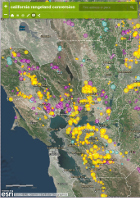
California Rangeland Conversion webmap
This webmap shows regions of California converted from rangeland land use to development, intensive agriculture, or other miscellaneous land uses between 1984 and 2008. See related publication…
2014 | Terrestrial | Planning | Publications & Reports
Whither the Rangeland?: Protection and Conversion of California’s Rangeland Ecosystems
Cameron DR, Marty J, Holland RF
This study assesses the amount of rangeland conversion between 1984 and 2008 in California. The researchers analyzed data from the California Farmland Mapping and Monitoring Program to see where…
2012 | Terrestrial | Planning | Publications & Reports
Economic costs of achieving current conservation goals in the future as climate changes
M. Rebecca Shaw, Kirk Klausmeyer, D. Richard Cameron, Jason MacKenzie, Patrick Roehrdanz
Species will move around the landscape as the climate changes, presenting challenges for traditional conservation strategies like land acquisition. This paper models the cost and total land area that…
2012 | Freshwater | Terrestrial | Marine | Science | Publications & Reports
Restoring Salmon Habitat: Garcia River Forest
Jennifer Carah, Jason Pelletier
A two-page summary of salmon restoration efforts at the Garcia River Forest on the North Cost of California focusing on the reintroduction of wood in streams as a strategy.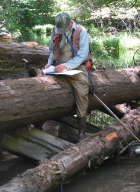
2012 | Freshwater | Terrestrial | Marine | Science | Video
Saving Salmon One Log at a Time
The Nature Conservancy, Jennifer Carah
Salmon and trout thrive in streams with cool water, low levels of sand and silt, and deep, shaded pools. Intensive forest management in California over the last 150 years led to the removal of these…
2011 | Terrestrial | Technology | Publications & Reports
The use of airborne laser scanning to develop a pixel-based stratification for a verified carbon offset project
Jordan Golinkoff, Mark Hanus, Jennifer Carah
The voluntary carbon market is a new and growing market that is increasingly important to consider in managing forestland. Monitoring, reporting, and verifying carbon stocks and fluxes at a project…
2005 | Terrestrial | Science | Publications & Reports
Cattle grazing can maintain diversity of vernal pool grasslands
Marty, Jaymee T.
Livestock grazing in the American West often conjures up images of cattle degrading riparian areas or spreading weeds throughout desert rangeland. But cattle grazing does not always or necessarily…