Systematic, science-based conservation planning is a hallmark of the Conservancy. For biodiversity to thrive, habitats need to be protected, enhanced, or restored not just in the still wild places on the planet but also where people live and make their livelihoods.
Multi-disciplinary planning can help elucidate where the highest priority places are and what needs to happen there – and inform tradeoffs between conservation and other societal values.
Science in Action
Terrestrial | Planning | Technology
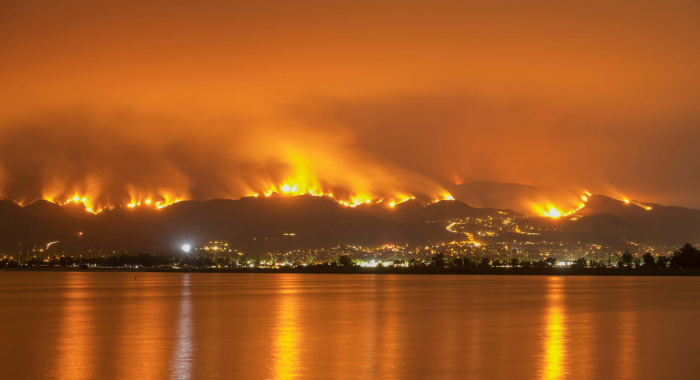
Wildfire and Communities
How can land protection and restoration help protect communities from wildfire?
Terrestrial | Marine | Planning
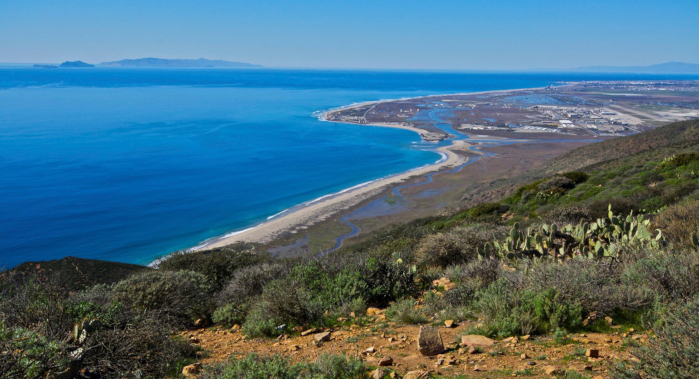
TNC and the U.S. Navy
How can we protect natural resource and coastal military assets from sea level rise?
2006 | Freshwater | Terrestrial | Planning | Science | Publications & Reports
Assessing societal impacts when planning restoration on large alluvial rivers: A case study of the Sacramento River Project, CA
Golet G.H., M.D. Roberts , E.W. Larsen, R.A. Luster, R. Unger, G. Werner, G.G. White.
River restoration projects have the potential to influence many of the services that rivers provide to people, yet rarely is this studied in a comprehensive manner. This paper reports on a set of…
2006 | Marine | Planning | Publications & Reports
Assessing gaps in marine conservation in California
Mary G. Gleason, Matt S. Merrifield, Chuck Cook, Audrey L. Davenport, Rebecca Shaw
This study is the first marine gap analysis for California. It quantifies what is protected and what is not and highlights conservation needs and opportunities. Less than 5% of marine habitats are…
2006 | Marine | Planning | Publications & Reports
Northern California Marine Ecoregional Assessment
Mary Gleason, Matt Merrifield, Chuck Cook, Miguel Hall
The Conservancy's science and planning staff in California prepared this assessment of the most important areas for conservation of marine biodiversity in the Northern California…
2004 | Marine | Planning | Publications & Reports
Southern California Marine Ecoregional Assessment
Mary Gleason, Matt Merrifield, Craig Mayer, Michelle McCutchan, Chuck Cook
The Conservancy's science and planning staff in California prepared this assessment of the most important areas for conservation of marine biodiversity in the Southern California Marine…